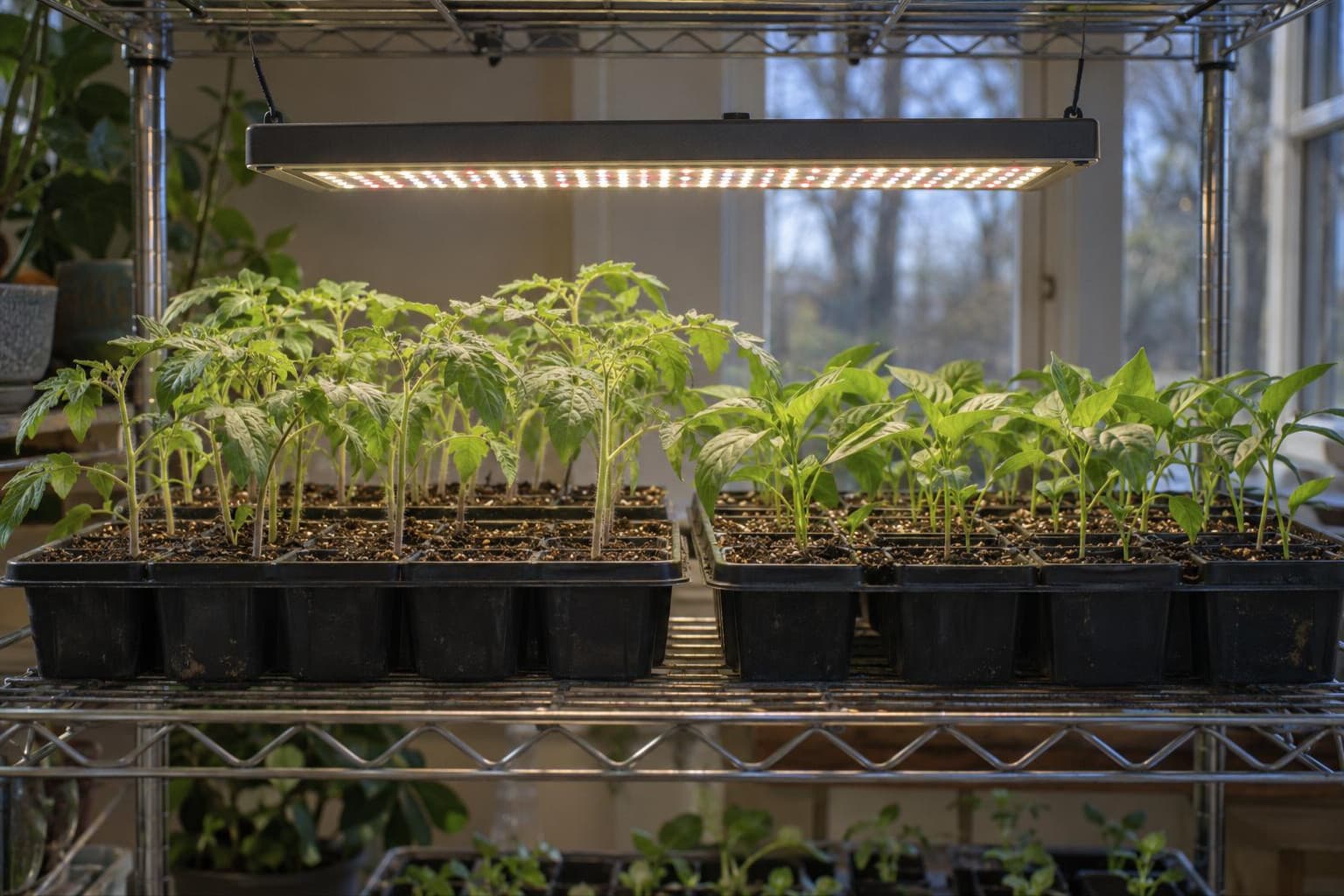
When to start zinnia seeds
Utah State University Extension starts zinnia seeds indoors 4 weeks before the last spring frost and plants them out once the frost has passed; the same date works for sowing directly in the garden, which NC State's plant toolbox recommends right after the last frost. Zinnias are frost sensitive, so neither the transplants nor the seed go out before that date.
| Zone | Average last frost | Start indoors | Harden off | Transplant or sow outdoors |
|---|---|---|---|---|
| 5b | May 1 | Apr 3 | Apr 10 to Apr 30 | May 1 |
| 7a | Apr 16 | Mar 19 | Mar 26 to Apr 15 | Apr 16 |
| 9a | Mar 3 | Feb 3 | Feb 10 to Mar 2 | Mar 3 |
The frost dates are the median across each half-zone's ZIP codes (NOAA 1991 to 2020 normals), so in half of years a frost still comes later. The harden off window is the two to three weeks Clemson Extension recommends before transplanting, starting no earlier than the sowing date.
Indoors or direct?
Both methods share the same outdoor date, the last frost:
- Started indoors, the plants are already about 4 weeks old when they go out. Utah State sows 1 to 2 seeds per cell.
- Sown directly, they skip the indoor weeks and the hardening off. This is the method NC State's toolbox gives: sow seed directly in the ground after the last frost date.
Starting earlier than the table's indoor date only means older plants waiting indoors for the same frost-free day.
Warmth for germination
Zinnia seed likes it hot. Utah State gives an ideal soil temperature of 80 to 85 °F, and at that warmth seedlings appear in 3 to 5 days. That is well above normal room temperature, so indoor trays need a warm spot.
How far apart to plant them out
Set small types such as Zinderella, Queen and Mexican zinnias on a 9 by 9 inch grid and large cut-flower types such as Benary's Giant on 12 by 12 inches, per Utah State. The zinnia spacing calculator turns that into plants per bed or row, and so into how many cells to sow.
Using the planner
Enter your ZIP code above to use your own frost dates instead of the zone average, and switch the frost risk to Safer or Safest if you would rather not gamble on the first week. Add other flowers and vegetables to build a single sowing calendar, or open the seed starting calculator for the whole garden.