When to Plant Carrots

Dates to sow carrots outdoors for your ZIP code or zone.

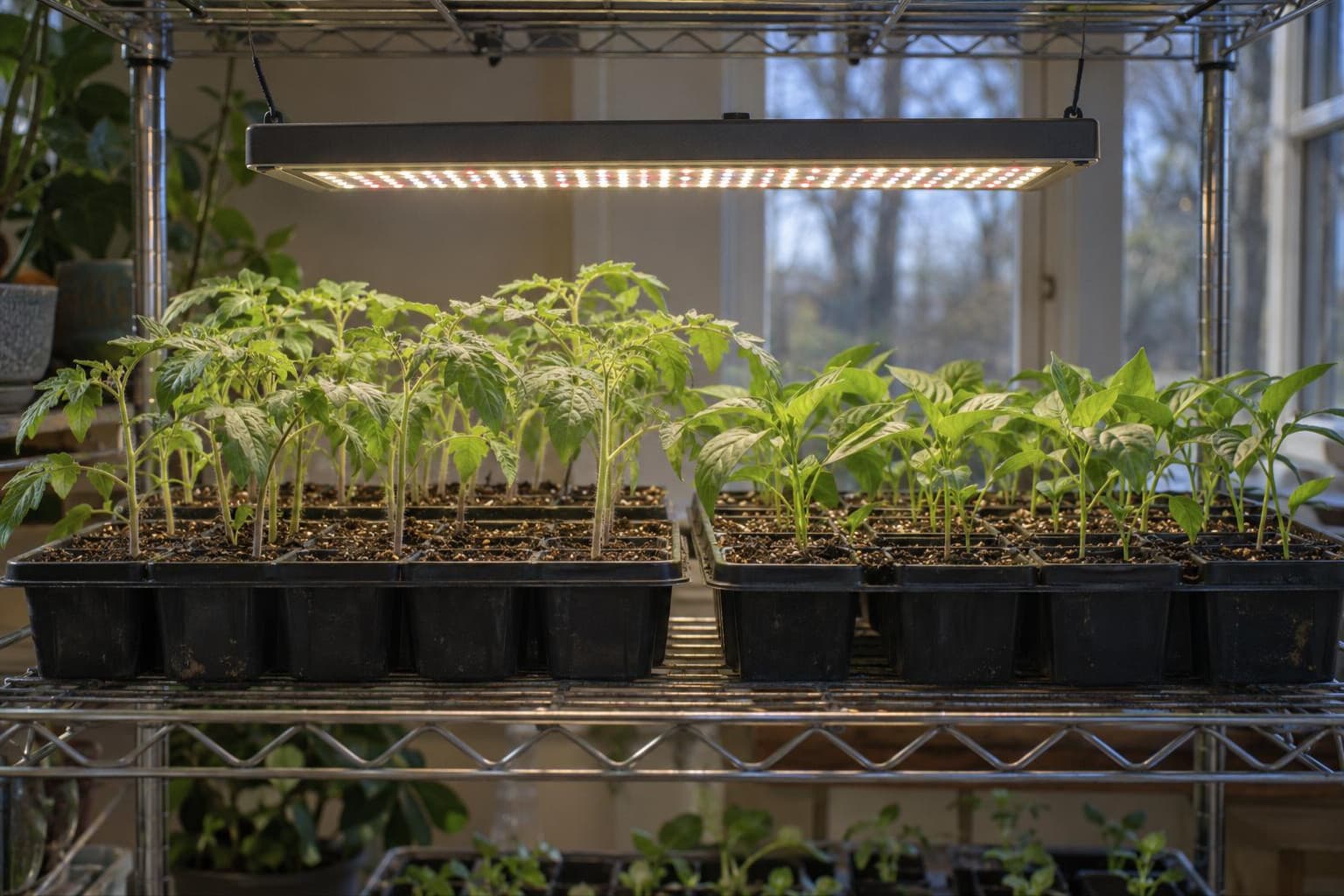
Tomato and pepper seedlings in trays under an LED grow light

Carrot planting dates by zone

At the average last frost date for each USDA half-zone (the median across its ZIP codes, NOAA 1991 to 2020 normals). Enter your ZIP code below for your own dates.

ZoneLast frostSow outdoors
3aMay 28May 7 to May 14
3bMay 17Apr 26 to May 3
4aMay 13Apr 22 to Apr 29
4bMay 8Apr 17 to Apr 24
5aMay 4Apr 13 to Apr 20
5bMay 1Apr 10 to Apr 17
6aApr 29Apr 8 to Apr 15
6bApr 23Apr 2 to Apr 9
7aApr 16Mar 26 to Apr 2
7bApr 6Mar 16 to Mar 23
8aMar 29Mar 8 to Mar 15
8bMar 18Feb 25 to Mar 4
9aMar 3Feb 10 to Feb 17
9bFeb 2Jan 12 to Jan 19
10aJan 16Dec 26 to Jan 2
10brareby season
Your location

Zone medians. Your ZIP code gives the dates of your nearest weather station.

Frost risk

Half of years still get a frost after the spring date, and half get the first fall frost before the fall date.

Frost dates at three risk levels
AverageSaferSafest
Last spring frostApr 23Apr 30May 9
First fall frostOct 22Oct 16Oct 7
Crops (1 selected)

First job: sow seeds outdoors

Apr 2carrot

Average frost dates: last Apr 23, first Oct 22 (zone 6b).
Season
Spring seed starting schedule
CropSow outdoorsNotes
CarrotHalf-hardyApr 2 to Apr 9Sow outdoors 2 to 3 wk before last frost. Sprouts in 10 to 17 days, best at 45 to 85°F soil.

How to start seeds indoors

Light
Give seedlings 14 to 18 hours of light a day on a timer, with fluorescent or LED fixtures 2 to 6 in above the leaves. Raise the lights as the plants grow.
Clemson HGIC: 16 to 18 hours, tubes 2 to 4 in above. UMD Extension: 14 to 16 hours, 2 to 6 in.
Seed starting mix
Use a sterile, soilless mix, never garden soil. To mix your own, combine equal parts by volume of fine pine bark, sphagnum peat moss and perlite.
NC State Extension Gardener Handbook; Clemson HGIC.
Sowing and warmth
Sow two or three seeds per cell and keep the strongest seedling. A mix temperature of 65 to 75°F germinates most vegetables; after they sprout, 55 to 60°F nights and 65 to 70°F days keep them stocky.
UMD Extension.
Potting up
Move seedlings into larger pots shortly after the first true leaves appear, while they are small and recover quickly.
UMD Extension; Clemson HGIC (one or two sets of true leaves).
Hardening off
Start two to three weeks before transplanting, once plants are about 3 in tall: set them outdoors by day, bring them in before sundown, and give them more direct sun each day. Skip days below 45°F or with strong wind.
Clemson HGIC: 2 to 3 weeks. NC State: at least 2 weeks, not below 45°F.

When to plant carrots

Carrots are always sown where they will grow, never started indoors. Utah State University Extension and Colorado State University Extension sow the seed straight into the garden 2 to 3 weeks before the last spring frost. The table above gives that window for every USDA zone, and the planner below it works it out for your ZIP code.

Sow outdoors = last frost date − 3 weeks to last frost date − 2 weeks

Example dates by zone

At the average (median) last frost date for each half-zone, from NOAA's 1991 to 2020 normals:

ZoneAverage last frostSow carrots outdoors
5bMay 1Apr 10 to Apr 17
7aApr 16Mar 26 to Apr 2
9aMar 3Feb 10 to Feb 17

Carrots take 70 to 100 days from seed (Utah State). In zone 5b a sowing on Apr 10 still has 183 days before the average first fall frost of Oct 10, so even slow storage varieties fit with room to spare.

Why carrots can go in before the frost

Carrot seed germinates in soil as cool as 40°F, and does best between 45 and 85°F, according to Oregon State University Extension's soil temperature table. Carrots are rated half hardy, which is why the sowing window sits before the frost date, not after it as it does for squash or cucumbers.

Cool soil does make germination slow. Oregon State gives 10 to 17 days, and Utah State says seedlings can take 14 to 21 days to show. Crusting is the problem Utah State warns about: it covers the seed with compost or fine sand and sows a few radishes in the row to break the crust.

Sowing again for a longer harvest

Utah State sows carrots every 4 weeks for a steady supply, rather than all at once. Each sowing is thinned to 1.5 to 2 inches in the row once the seedlings are up. Plan the later sowings with the succession planting planner, which counts the intervals from your frost dates.

Next questions

  • How deep? ¼ to ½ inch, covered with fine soil, compost or sand.
  • How far apart? Thin to 1.5 to 2 inches, or 16 per square foot in a bed; the carrot spacing calculator counts a bed or row for you.
  • What about my zone? The zone pages, such as when to start seeds in zone 5, list carrots with the rest of the spring crops.