When to Start Tomato Seeds

Dates to start tomatoes indoors, harden off and plant out for your ZIP code or zone.

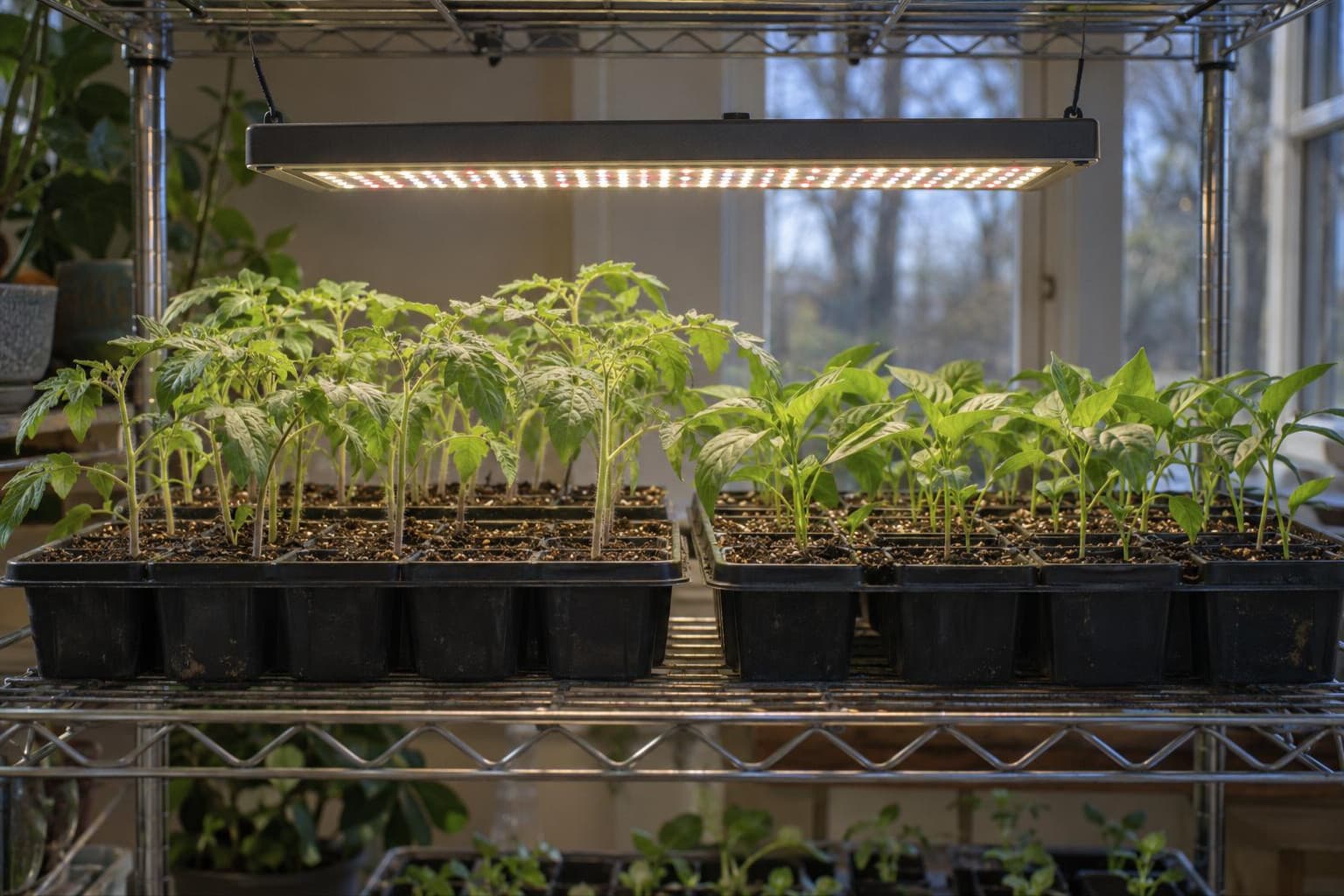
Tomato and pepper seedlings in trays under an LED grow light

Tomato planting dates by zone

At the average last frost date for each USDA half-zone (the median across its ZIP codes, NOAA 1991 to 2020 normals). Enter your ZIP code below for your own dates.

ZoneLast frostStart indoorsTransplant
3aMay 28Apr 2 to Apr 16Jun 11
3bMay 17Mar 22 to Apr 5May 31
4aMay 13Mar 18 to Apr 1May 27
4bMay 8Mar 13 to Mar 27May 22
5aMay 4Mar 9 to Mar 23May 18
5bMay 1Mar 6 to Mar 20May 15
6aApr 29Mar 4 to Mar 18May 13
6bApr 23Feb 26 to Mar 12May 7
7aApr 16Feb 19 to Mar 5Apr 30
7bApr 6Feb 9 to Feb 23Apr 20
8aMar 29Feb 1 to Feb 15Apr 12
8bMar 18Jan 21 to Feb 4Apr 1
9aMar 3Jan 6 to Jan 20Mar 17
9bFeb 2Dec 8 to Dec 22Feb 16
10aJan 16Nov 21 to Dec 5Jan 30
10brareby seasonby season
Your location

Zone medians. Your ZIP code gives the dates of your nearest weather station.

Frost risk

Half of years still get a frost after the spring date, and half get the first fall frost before the fall date.

Frost dates at three risk levels
AverageSaferSafest
Last spring frostApr 23Apr 30May 9
First fall frostOct 22Oct 16Oct 7
Crops (1 selected)

Start your first seeds indoors

Feb 26tomato

Average frost dates: last Apr 23, first Oct 22 (zone 6b).
Season
Spring seed starting schedule
CropStart indoorsHarden offTransplantNotes
TomatoVery tenderFeb 26 to Mar 12Apr 16 to May 6May 7Indoors 6 to 8 wk before last frost. Transplant 2 wk after last frost. Sprouts in 6 to 14 days, best at 60 to 85°F soil. Pot up at the first true leaves.

How to start seeds indoors

Light
Give seedlings 14 to 18 hours of light a day on a timer, with fluorescent or LED fixtures 2 to 6 in above the leaves. Raise the lights as the plants grow.
Clemson HGIC: 16 to 18 hours, tubes 2 to 4 in above. UMD Extension: 14 to 16 hours, 2 to 6 in.
Seed starting mix
Use a sterile, soilless mix, never garden soil. To mix your own, combine equal parts by volume of fine pine bark, sphagnum peat moss and perlite.
NC State Extension Gardener Handbook; Clemson HGIC.
Sowing and warmth
Sow two or three seeds per cell and keep the strongest seedling. A mix temperature of 65 to 75°F germinates most vegetables; after they sprout, 55 to 60°F nights and 65 to 70°F days keep them stocky.
UMD Extension.
Potting up
Move seedlings into larger pots shortly after the first true leaves appear, while they are small and recover quickly.
UMD Extension; Clemson HGIC (one or two sets of true leaves).
Hardening off
Start two to three weeks before transplanting, once plants are about 3 in tall: set them outdoors by day, bring them in before sundown, and give them more direct sun each day. Skip days below 45°F or with strong wind.
Clemson HGIC: 2 to 3 weeks. NC State: at least 2 weeks, not below 45°F.

When to start tomato seeds

Start tomato seeds indoors 6 to 8 weeks before your last spring frost and plant them out about 2 weeks after it, once the soil is warmer than 60°F. Those are the timings Colorado State University Extension and Clemson's Home & Garden Information Center give, and they are what the table and planner above count from.

Sow indoors = last frost − 8 to 6 weeks · Transplant = last frost + 2 weeks

Example dates for three zones

At the average (median) last frost date of each half-zone, from NOAA's 1991 to 2020 normals:

ZoneLast frostStart indoorsHarden offTransplant
5bMay 1Mar 6 to Mar 20Apr 24 to May 14May 15
7aApr 16Feb 19 to Mar 5Apr 9 to Apr 29Apr 30
9aMar 3Jan 6 to Jan 20Feb 24 to Mar 16Mar 17

The hardening off window is the 2 to 3 weeks before transplanting that Clemson recommends for getting seedlings used to sun and wind. Your own ZIP code can differ from the zone median by a week or more, so enter it in the planner for your dates.

How long tomato seed takes to come up

Oregon State University Extension lists 6 to 14 days to emerge. Tomato seed will germinate in soil as cool as 50°F, but the optimum range is 60 to 85°F, so keep the trays somewhere warm. Sow it 1/4 inch deep.

Will the season be long enough?

Colorado State counts about 65 days from transplanting to the first ripe fruit. Even in zone 4b, where the average first fall frost is Oct 1, a tomato set out on May 22 has 132 days before frost, so the season is long enough for most varieties. Varieties differ, so check the days to maturity on the seed packet against the days you have.

If you are late

If you missed the window, sow at the late end, 6 weeks before the frost, or buy transplants. What you cannot move earlier is the transplant date: tomatoes are very tender, and the extension guides set them out only after frost danger has passed.

Next steps