Frost in zone 10 is occasional or rare
Zone 10 winters bottom out at 30 to 40°F, right around the freezing point. That changes what a seed starting calendar can do:
- Zone 10a (792 ZIP codes) still has frost dates in NOAA's 1991 to 2020 normals: an average last frost of Jan 16 and an average first frost of Jan 4. The first frost comes before the last one because both describe the same brief cold spell: many zone 10a winters bring one or two freeze nights in January, or none at all. NOAA puts the frost-free season at 365 days, and 60 of the 792 ZIP codes have no computable freeze at all.
- Zone 10b (474 ZIP codes) has no freeze date at the median: 304 of its ZIP codes reach 32°F too rarely for NOAA to compute one. There is no frost date to count back from, so the table for 10b says so instead of inventing dates. Plant by season, not by frost date.
Zone 10a dates as a guide
Start indoors = last frost date − weeks indoors
Counting back from Jan 16 turns the usual spring schedule into a fall and winter one:
| Crop | Sow indoors | Set out or sow outdoors |
|---|---|---|
| Leek | Oct 24 to Nov 7 | |
| Kale | Oct 31 to Nov 14 | Dec 12 to Dec 19 |
| Broccoli | Dec 5 to Dec 19 | Dec 26 to Jan 2 |
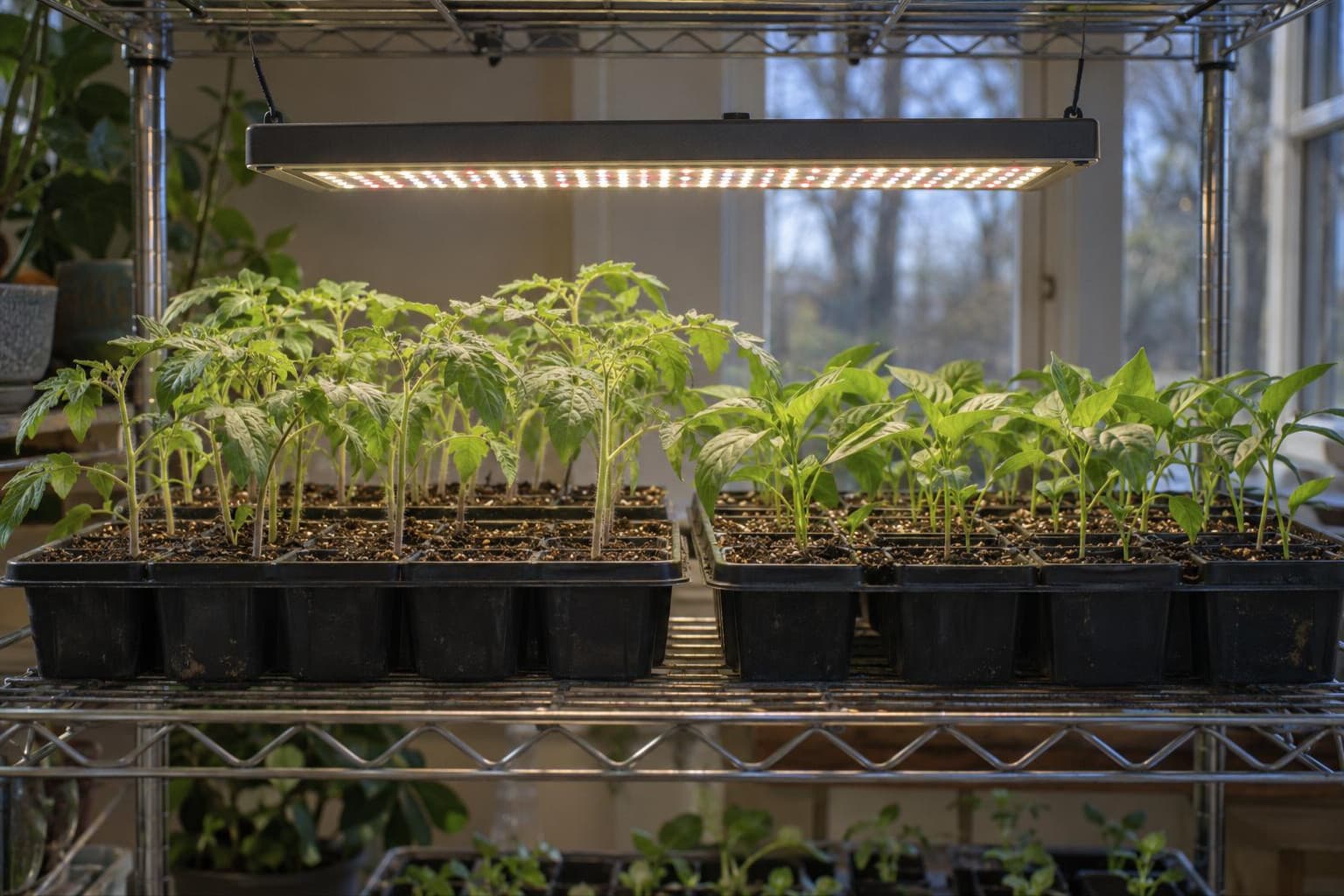
| Tomato, pepper | Nov 21 to Dec 5 | Jan 30 |
| Peas (direct) | Dec 19 to Jan 2 |
The cool-season crops that colder zones grow in spring grow here through the winter. Tomatoes are set out at the end of January, 2 weeks after the average last frost. If you want to avoid the rare late freeze, the safer date moves that transplant to Feb 12 and the safest to Feb 28.
Frost barely limits zone 10a gardens, so the season never limits long crops either. Peppers set out at the average date have 339 days before the next average first frost.
Fall sowing in 10a
Counting back from the Jan 4 first frost:
| Crop | Sow by |
|---|---|
| Brussels sprouts | Sep 7 |
| Kale and collards | Oct 5 |
| Fall peas | Nov 2 to Nov 9 |
| Last beet sowing | Nov 9 |
These overlap with the "spring" indoor sowings above. In zone 10a, fall is when the cool-season garden begins.
What to do in 10b and warmer
Without a frost date, weeks-before-frost rules have nothing to count from. The honest answer is to plant by season:
- Grow the frost-hardy crops (kale, broccoli, cabbage, peas, lettuce) in the cool months.
- Grow the tender ones (tomato, pepper, cucumber, squash) when your local extension office says the season suits them.
If you have kept your own records of the rare cold night, enter them under My dates in the planner below. The seed starting calculator also shows whether your ZIP code's station records any freeze at all. For the next zone north, see zone 9.