When to Start Seeds Indoors in Zone 9

Start indoor, transplant, direct sow and fall dates for every crop in zones 9a and 9b, with their frost dates.

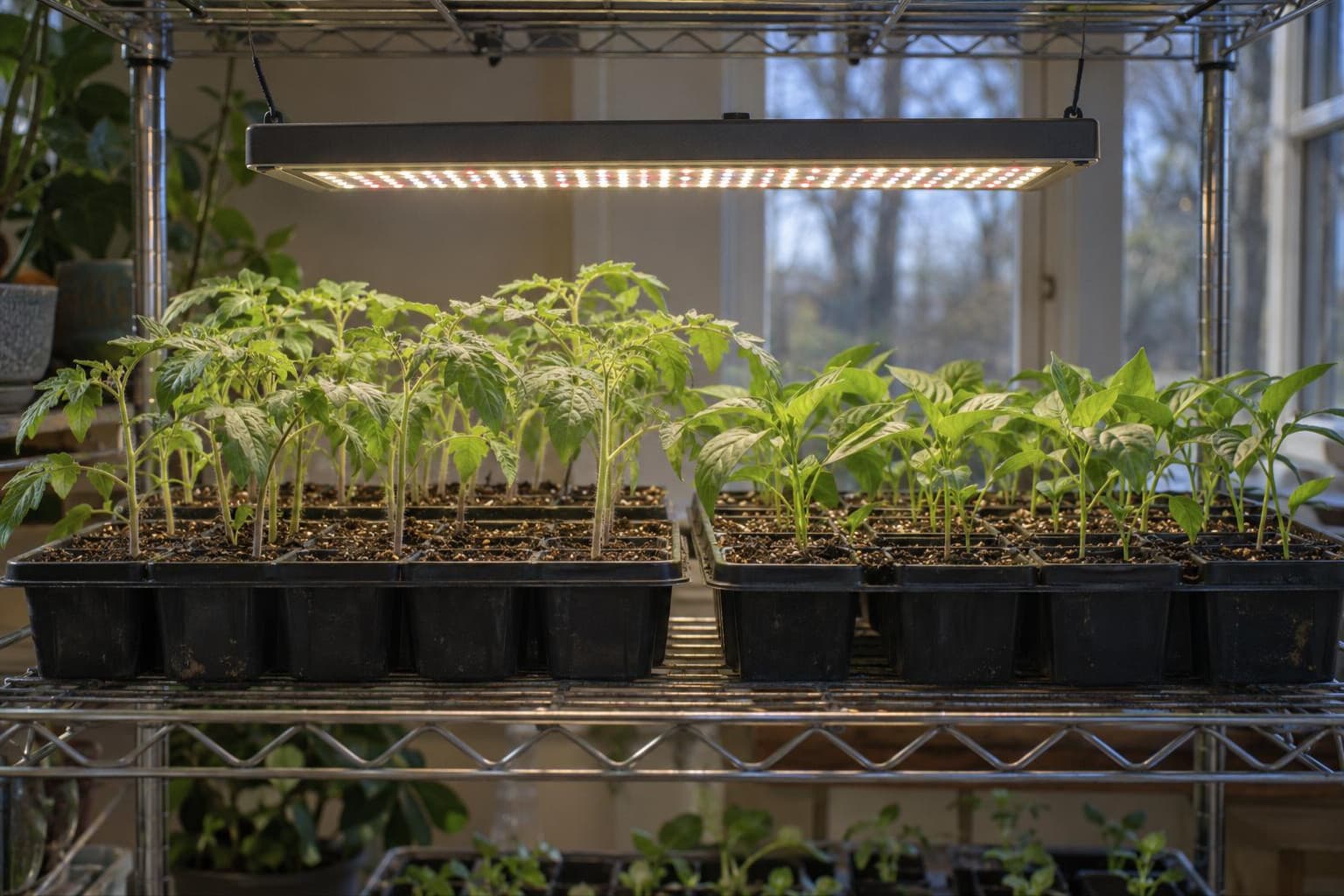
Tomato and pepper seedlings in trays under an LED grow light

Zone 9 frost dates

Median last spring and first fall frost dates for zone 9
Half-zoneLast spring frostFirst fall frostFrost-free days
AverageSaferSafestAverageSaferSafest
9a (20 to 25°F)Mar 3Mar 12Mar 25Nov 25Nov 17Nov 6268
9b (25 to 30°F)Feb 2Feb 17Mar 5Dec 14Dec 4Nov 23318

Medians across the ZIP codes in each half-zone, NOAA 1991 to 2020 climate normals. Average: half of years get frost past the date. Safer: 3 years in 10 (the Almanac's date). Safest: 1 year in 10.

When to start seeds in zone 9a

Counted from the average last frost, Mar 3, and the average first frost, Nov 25.

Planting dates for zone 9a at average frost dates
CropStart indoorsTransplantSow outdoorsFall sowing
BasilJan 20 to Feb 3Mar 3Mar 3·
Beet··Feb 17 to Mar 3by Sep 30
BroccoliJan 20 to Feb 3Feb 10 to Feb 17Feb 10 to Feb 17·
Brussels Sprouts···Jul 29
CabbageDec 23 to Jan 6Feb 10 to Feb 17Feb 10 to Feb 17·
Cantaloupe··Mar 10 to Mar 17·
Carrot··Feb 10 to Feb 17·
CauliflowerDec 30 to Jan 13Feb 17 to Feb 24Feb 17 to Feb 24·
CilantroJan 20 to Feb 3Mar 3Mar 3·
Collard Greens···Aug 26
Cucumber··Mar 3·
Dill··Feb 17 to Feb 24·
EggplantJan 20 to Feb 3Mar 17··
Green Beans··Feb 24 to Mar 3·
KaleDec 16 to Dec 30Jan 27 to Feb 3Jan 27 to Feb 3Aug 26
LeekDec 9 to Dec 23···
LettuceJan 20 to Jan 27Mar 3Feb 10 to Feb 17·
MarigoldJan 20 to Feb 3Mar 3Mar 3·
OnionJan 6 to Jan 20Feb 3 to Feb 17··
ParsleyJan 20Mar 3Mar 3·
Peas··Feb 3 to Feb 17Sep 23 to Sep 30
PepperJan 6 to Jan 20Mar 17··
Potato··Feb 10 to Feb 17·
Pumpkin··Mar 17·
Radish··Feb 3 to Feb 17·
SpinachJan 20 to Jan 27Mar 3Feb 3 to Feb 10·
Squash··Mar 3·
Sunflower··Mar 3·
Sweet Corn··Mar 3·
Swiss ChardJan 20 to Jan 27Mar 3Feb 3 to Feb 10·
TomatoJan 6 to Jan 20Mar 17··
Watermelon··Mar 10 to Mar 17·
ZinniaFeb 3Mar 3Mar 3·
Zucchini··Mar 3·

When to start seeds in zone 9b

Counted from the average last frost, Feb 2, and the average first frost, Dec 14.

Planting dates for zone 9b at average frost dates
CropStart indoorsTransplantSow outdoorsFall sowing
BasilDec 22 to Jan 5Feb 2Feb 2·
Beet··Jan 19 to Feb 2by Oct 19
BroccoliDec 22 to Jan 5Jan 12 to Jan 19Jan 12 to Jan 19·
Brussels Sprouts···Aug 17
CabbageNov 24 to Dec 8Jan 12 to Jan 19Jan 12 to Jan 19·
Cantaloupe··Feb 9 to Feb 16·
Carrot··Jan 12 to Jan 19·
CauliflowerDec 1 to Dec 15Jan 19 to Jan 26Jan 19 to Jan 26·
CilantroDec 22 to Jan 5Feb 2Feb 2·
Collard Greens···Sep 14
Cucumber··Feb 2·
Dill··Jan 19 to Jan 26·
EggplantDec 22 to Jan 5Feb 16··
Green Beans··Jan 26 to Feb 2·
KaleNov 17 to Dec 1Dec 29 to Jan 5Dec 29 to Jan 5Sep 14
LeekNov 10 to Nov 24···
LettuceDec 22 to Dec 29Feb 2Jan 12 to Jan 19·
MarigoldDec 22 to Jan 5Feb 2Feb 2·
OnionDec 8 to Dec 22Jan 5 to Jan 19··
ParsleyDec 22Feb 2Feb 2·
Peas··Jan 5 to Jan 19Oct 12 to Oct 19
PepperDec 8 to Dec 22Feb 16··
Potato··Jan 12 to Jan 19·
Pumpkin··Feb 16·
Radish··Jan 5 to Jan 19·
SpinachDec 22 to Dec 29Feb 2Jan 5 to Jan 12·
Squash··Feb 2·
Sunflower··Feb 2·
Sweet Corn··Feb 2·
Swiss ChardDec 22 to Dec 29Feb 2Jan 5 to Jan 12·
TomatoDec 8 to Dec 22Feb 16··
Watermelon··Feb 9 to Feb 16·
ZinniaJan 5Feb 2Feb 2·
Zucchini··Feb 2·

Your own schedule

Your location

Zone medians. Your ZIP code gives the dates of your nearest weather station.

Frost risk

Half of years still get a frost after the spring date, and half get the first fall frost before the fall date.

Frost dates at three risk levels
AverageSaferSafest
Last spring frostMar 3Mar 12Mar 25
First fall frostNov 25Nov 17Nov 6
Crops (8 selected)

Start your first seeds indoors

Jan 6onion, pepper, tomato

Average frost dates: last Mar 3, first Nov 25 (zone 9a).
Season
Spring seed starting schedule
CropStart indoorsHarden offTransplantSow outdoorsNotes
BasilVery tenderJan 20 to Feb 3Feb 10 to Mar 2Mar 3Mar 3Indoors 4 to 6 wk before last frost. Transplant at last frost. Sow outdoors at last frost. Sprouts in 5 to 14 days, best at 75 to 85°F soil. Pot up at the first true leaves.
BroccoliHardyJan 20 to Feb 3Feb 3 to Feb 9Feb 10 to Feb 17Feb 10 to Feb 17Indoors 4 to 6 wk before last frost. Transplant 2 to 3 wk before last frost. Sow outdoors 2 to 3 wk before last frost. Sprouts in 3 to 10 days, best at 80°F soil. Pot up at the first true leaves. The published dates leave little time indoors: sow at the early end.
CucumberTender···Mar 3Sow outdoors at last frost. Sprouts in 6 to 10 days, best at 60 to 95°F soil.
LettuceHardyJan 20 to Jan 27Feb 10 to Mar 2Mar 3Feb 10 to Feb 17Indoors 5 to 6 wk before last frost. Transplant at last frost. Sow outdoors 2 to 3 wk before last frost. Sprouts in 4 to 10 days, best at 40 to 80°F soil. Pot up at the first true leaves.
OnionHardyJan 6 to Jan 20Jan 20 to Feb 2Feb 3 to Feb 17·Indoors 6 to 8 wk before last frost. Transplant 2 to 4 wk before last frost. Sprouts in 7 to 12 days, best at 50 to 95°F soil. Pot up at the first true leaves.
PepperVery tenderJan 6 to Jan 20Feb 24 to Mar 16Mar 17·Indoors 6 to 8 wk before last frost. Transplant 2 wk after last frost. Sprouts in 10 to 20 days, best at 65 to 95°F soil. Pot up at the first true leaves.
SquashTender···Mar 3Sow outdoors at last frost. Sprouts in 3 to 12 days, best at 70 to 95°F soil.
TomatoVery tenderJan 6 to Jan 20Feb 24 to Mar 16Mar 17·Indoors 6 to 8 wk before last frost. Transplant 2 wk after last frost. Sprouts in 6 to 14 days, best at 60 to 85°F soil. Pot up at the first true leaves.

How to start seeds indoors

Light
Give seedlings 14 to 18 hours of light a day on a timer, with fluorescent or LED fixtures 2 to 6 in above the leaves. Raise the lights as the plants grow.
Clemson HGIC: 16 to 18 hours, tubes 2 to 4 in above. UMD Extension: 14 to 16 hours, 2 to 6 in.
Seed starting mix
Use a sterile, soilless mix, never garden soil. To mix your own, combine equal parts by volume of fine pine bark, sphagnum peat moss and perlite.
NC State Extension Gardener Handbook; Clemson HGIC.
Sowing and warmth
Sow two or three seeds per cell and keep the strongest seedling. A mix temperature of 65 to 75°F germinates most vegetables; after they sprout, 55 to 60°F nights and 65 to 70°F days keep them stocky.
UMD Extension.
Potting up
Move seedlings into larger pots shortly after the first true leaves appear, while they are small and recover quickly.
UMD Extension; Clemson HGIC (one or two sets of true leaves).
Hardening off
Start two to three weeks before transplanting, once plants are about 3 in tall: set them outdoors by day, bring them in before sundown, and give them more direct sun each day. Skip days below 45°F or with strong wind.
Clemson HGIC: 2 to 3 weeks. NC State: at least 2 weeks, not below 45°F.

Zone 9 frost dates

Zone 9 winters bottom out at 20 to 30°F, and frost is a brief winter event rather than the edge of the season. The NOAA 1991 to 2020 medians (1,767 ZIP codes in 9a, 1,474 in 9b) are:

Last frost (average)SaferSafestFirst frost (average)Frost-free days
9aMar 3Mar 12Mar 25Nov 25268
9bFeb 2Feb 17Mar 5Dec 14318

No other zone has halves this far apart. 9b's last frost comes 29 days before 9a's, and its first frost 19 days later, so 9b gets 50 more frost-free days. A zone 9 calendar is really two calendars, and the letter matters.

When to start seeds indoors in zone 9

Start indoors = last frost date − weeks indoors

Counting back from a February or March frost puts most indoor sowing in winter:

Crop9a sowing9b sowing9a set out9b set out
LeekDec 9 to Dec 23Nov 10 to Nov 24
KaleDec 16 to Dec 30Nov 17 to Dec 1Jan 27 to Feb 3Dec 29 to Jan 5
Tomato, pepperJan 6 to Jan 20Dec 8 to Dec 22Mar 17Feb 16
BroccoliJan 20 to Feb 3Dec 22 to Jan 5Feb 10 to Feb 17Jan 12 to Jan 19

Peas are sown outdoors Feb 3 to Feb 17 in 9a and Jan 5 to Jan 19 in 9b. In 9b, the "spring" crops of colder zones are winter crops: kale, broccoli and cabbage go into the garden around New Year.

The safer dates move a lot here

With frost so irregular, the spread between the risk settings is wide. In 9b, the average last frost is Feb 2, but the safest date is Mar 5, a month later. For tomatoes that means transplanting on:

  • Feb 16 at the average date
  • Mar 3 at the safer date
  • Mar 19 at the safest date

The season is long enough for any of them. Even at the safest dates, 9a peppers have 212 days before the first frost. Hardy crops such as kale and broccoli take a light frost, so the average date is fine for them. For tomatoes, peppers and basil, the safer column is the one to plan with.

Fall and winter crops

In zone 9 the fall sowing window is the main cool-season window:

Crop9a9b
Brussels sproutsby Jul 29by Aug 17
Kale and collardsby Aug 26by Sep 14
Fall peasSep 23 to Sep 30Oct 12 to Oct 19
Last beet sowingSep 30Oct 19

These dates count only from frost and do not account for summer heat. For heat-sensitive crops, check your local extension planting guide too.

More calendars

See zone 8 and zone 10, or enter your ZIP code in the planner below. In zone 9, the nearest station can differ from the zone median by weeks.